How Declining Snowfall Patterns Reshaped Opportunity for Hospitality, Travel & Retail Industries
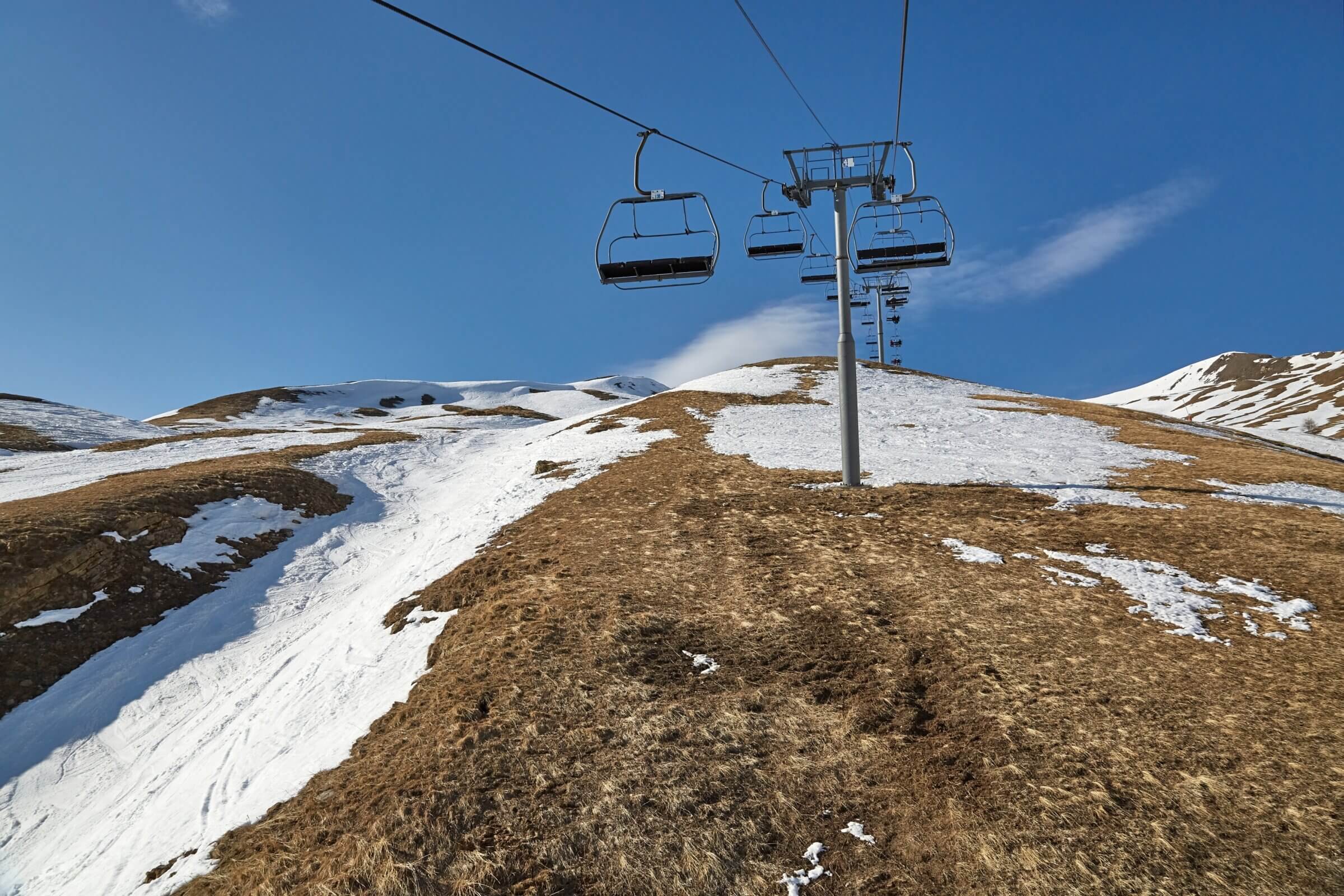
With spring here and summer on the horizon, we’ve been reflecting on the winter season and what it taught brands built around snow-driven demand.
Winter travel, hospitality and retailer industries have traditionally operated on a shared assumption: snow would arrive, seasons would follow familiar patterns and demand would predictably rise and fall. This season made it clear that assumption is becoming less reliable.
Below average and increasingly volatile snowfall didn’t end winter; it reshaped how, and when, consumers planned travel, spent money and engaged with brands. In response, seasonally-driven brands were pushed to modernize how they marketed their products and experiences.
Working with several brands in the travel, hospitality and retailer industries, rygr observed several macro trends this season that revealed how brands adapted their strategies to meet a more unpredictable, cold weather-based economy.
Retail
Inconsistent snowfall created uneven demand for winter apparel and gear, increasing inventory risk and margin pressure. Consumers waited longer to purchase, often until conditions became clear, and expected seamless returns, fulfillment and availability when they were ready to buy.
How brands adapted:
- They positioned winter products around versatility, performance and lifestyle, not just snow
- They used real-time conditions to inform messaging, promotions and product storytelling
- They built flexibility into assortments, inventory flow and omnichannel experiences
The takeaway: winter retail demand didn’t disappear; it became more dynamic.
Travel & Hospitality
Weather reliability has moved from a planning variable to a primary demand driver. Travelers delayed bookings, choose refundable options and compressed decision windows, which increased uncertainty for destinations, hotels, booking services and airlines.
At the same time, shorter and more volatile seasons created feast-or-famine revenue cycles that challenged pricing, staffing and service delivery.
How brands adapted:
- They shifted marketing and media closer to moment-of-decision rather than relying on early-season hype
- They diversified experiences beyond snow to stabilize year-round demand
- They lead with transparency about conditions, offerings and adaptability to build trust
The takeaway: travelers didn’t avoid winter travel; they sought flexibility and experiences that delivered value regardless of conditions.
The Opportunity
Across retail, travel and hospitality, the most resilient brands and destinations were those who acknowledged volatility and planned for it. They invested in diversified narratives, flexible operations and communication strategies that met consumers where they were, not where seasons used to be.
Winter isn’t disappearing. The rules are just different now. Brands that evolve with them won’t just weather uncertainty, they’ll build lasting relevance because of it.